If you have been looking at delta-9 THC as part of a wellness routine, you are probably trying to solve a very specific problem: you want the benefits people talk about, but you also want to stay functional, comfortable, and in control. Delta-9 THC is not a “set it and forget it” supplement. It is psychoactive by design, and that single fact shapes everything about how you choose it, dose it, and assess whether it is helping or quietly doing damage.
This guide is written for wellness consumers, not hardcore users. The emphasis here is on practical judgment: how to think about products, what “good” dosing tends to look like, what side effects commonly show up first, and how to buy with a little more confidence when you are browsing an online THC delta 9 catalog. I’ll also cover trade-offs, because delta-9 is one of those wellness tools where the “right” approach depends on your body, your tolerance, and what you are actually trying to improve.
What delta-9 THC is, and why wellness people feel it differently
Delta-9 THC, often shortened to “delta-9 THC” or simply “delta-9,” is the main intoxicating cannabinoid associated THC delta 9 with cannabis. When you consume it, it interacts with the body’s endocannabinoid system, which influences pain perception, appetite signaling, mood regulation, sleep patterns, and more.
Wellness consumers tend to experience delta-9 through a narrower lens than recreational users. Instead of chasing a high, you are usually hunting for something like:
- fewer stress symptoms after a long day more restful sleep relief of muscle tension or post-workout discomfort better “shutdown” in the evening, when your brain keeps running
Here is the lived-experience part that many first-time buyers learn the hard way: delta-9 can be calming and activating at the same time. It can reduce how “loud” your stress feels, but it can also increase sensory awareness, thoughts, and body sensations. For some people, that is exactly what they want. For others, it turns into restlessness, racing thoughts, or a body feeling that is too intense for the setting they are in.
That is why product choice and dose matter so much more for wellness goals than they do for recreational ones. A recreational dose can be a wellness misstep, even if both are technically “small.”
Delta-9 versus “THC” as a label: the practical difference
You might see products described as “THC” without specifying the delta-9 form. For wellness consumers, that vagueness is a problem. The effects you feel, the intensity, and the likelihood of next-day grogginess all depend on the specific cannabinoid profile and how the product is formulated.
“Delta-9 THC” is the clearest phrase on the label. When you are shopping, look for the exact wording. This is one reason shoppers searching for “Thc Delta 9” and “Delta-9 THC” usually end up gravitating toward products that specify delta-9 rather than generic THC claims.
Also, be careful with packaging that implies “natural” or “balanced” without telling you dosing. “Balanced” can mean different things. It can mean different ratios of cannabinoids. It can also mean it simply looks friendly on marketing copy while still delivering enough delta-9 to feel strong.
Where you feel it: routes of consumption and why they change the experience
Delta-9 comes in multiple formats, and your route of consumption is basically your steering wheel.
- Edibles often feel gradual and can last longer, which can be great for sleep or evening wind-down. The trade-off is that dosing errors are easier. If you take too much early, you might not realize it until the effects stack. Tinctures or sublingual products can be more controllable than many edibles because the onset is often faster than swallowed edibles. Still, you are not immune to dose creep. Inhaled formats can hit quickly, which can be useful if you are experimenting and want faster feedback. The trade-off is that quick onset can also mean quick overdoing, especially if you are sensitive. Gummies are popular with wellness consumers because they are consistent and convenient. The trade-off is that “consistent” does not always mean “predictable,” because metabolism and prior meals affect how much delta-9 you actually absorb.
A practical way to think about it: if you are new or rebuilding tolerance, choose the route that gives you the easiest feedback loop. For many wellness consumers, that tends to mean starting with formats that are easy to portion, then moving cautiously.
I remember one client who was adamant that “sleep gummies” were the answer. They took one gummy at 9:00 pm, then another at 10:00 pm because “nothing happened yet.” By midnight, they were awake, alert, and mildly uncomfortable, with the sleep intention completely flipped. It was not a defective product. It was dose timing. That story gets repeated in different forms, and it is exactly why wellness dosing is less about willpower and more about pacing.
Dosing for wellness: smaller is usually smarter
Delta-9 dosing is where most people decide whether the product becomes a tool or a problem. If your wellness goal is stress relief or sleep support, the sweet spot is typically low to moderate for beginners and for people with low tolerance.
A common pattern looks like this: you start at a low dose, you feel mild effects, and you note whether you like the direction of the change. Then, if it helps but feels underwhelming, you adjust upward slowly. If it feels too intense, you do not “push through.” You reduce.
The tricky part is that tolerance is not just about how often you use THC. It also depends on body chemistry, genetics, and how frequently you have been consuming in general. Even people who use “only occasionally” can be sensitive if they take breaks and then return at the same dose.
Because numbers can vary widely by product strength, I’m going to avoid pretending there is one universal dose that works for everyone. Instead, focus on method and monitoring. If you are looking at edibles or gummies, start at the lowest labeled serving or even below it, using the smallest measurable portion you can reliably take.
If you are buying something and hoping to “just get the benefits,” you are setting yourself up for the most common wellness failure mode: too much delta-9 too fast.
What to look for when you buy delta-9 (including online)
When you buy online THC delta 9, the product page is where the real quality work happens. You cannot rely on smell or appearance. You need label clarity and, ideally, third-party testing information.
Here are the things I look for as a consumer making a wellness choice:
First, clear labeling of delta-9 THC content per serving, not just total THC. “Total THC” can be broader than delta-9 and might not reflect the intensity you are trying to predict.
Second, a transparent ingredient list. Wellness consumers often have sensitivities, and additives can affect comfort even if delta-9 is consistent. If you see a long list of flavors and sweeteners, consider whether you tolerate those well.
Third, testing transparency. Third-party lab reports, when provided, help you understand whether the product matches its label. I’m not claiming testing makes a product “safe” in every sense, but it does reduce guesswork. If a brand avoids giving any testing details, I treat that as information.
Fourth, formulation consistency. If you choose gummies, for example, look at serving size and how the brand describes portioning. The “best” gummy is often the one you can realistically split or dose low without guessing.
Finally, shipping and storage matter more than people expect. Delta-9 products can be impacted by heat and time. If a product arrives melted, overly sticky, or smells off, I would not use it as your wellness experiment.
If you are specifically searching terms like “Buy Thc Delta 9” or “Buy online THC delta 9,” remember that search results are optimized for conversion, not for fit. Use the label and testing info as your filter, not the product name.
A short wellness checklist for first-time or low-tolerance consumers
If you are experimenting with delta-9 THC delta-9 THC for wellness, you do not need complicated rituals. You need a calm setup and a simple decision system. Here is a straightforward checklist you can use before you take anything:
- Choose a time when you can stay put, especially on day one Start with the lowest practical dose, and wait before taking more Use a “feedback window” mindset, meaning you observe how you feel for long enough Avoid stacking delta-9 with alcohol or other sedating substances Have a plan for hydration and comfortable environment, dim lights and quiet help
That last point sounds basic, but comfort is part of dosing. Delta-9 effects can become unpleasant when you are overstimulated or trying to do tasks that require fine attention. Your environment is not a detail, it is part of the dose.
How to assess whether delta-9 is helping your wellness goals
Wellness people often make a decision based on one session. That is understandable, but it can be misleading. Delta-9 effects can vary based on the day’s sleep, meal timing, stress level, and whether you had caffeine earlier.
Instead, assess across a few sessions while still being careful. You are looking for patterns like:
- Does it reliably reduce stress tension or just sometimes? Does it help you fall asleep faster, or does it make you feel drowsy but mentally busy? Is the next day too groggy, or is it a clean wake-up? Do you feel more stable emotionally, or do you get irritable and foggy?
A useful trick is to track three variables in your notes: dose, time taken, and how you felt in two categories, such as “mind” and “body.” If your “mind” feels too activated but your “body” feels relaxed, you might need a lower dose or a different format.
The trade-off here is that wellness outcomes can take a little longer to become obvious. If you chase intensity, you might confuse “strong effects” with “useful effects.”
Common side effects wellness consumers run into first
Even when delta-9 is helping, side effects are part of the story. The goal is not to avoid all discomfort forever. The goal is to keep the product on the helpful side of your personal balance.
Common early side effects include dry mouth, slower reaction time, increased appetite, and changes in perception. Some people experience anxiety, racing thoughts, or a feeling of being “too high” for the moment. Others get headaches, nausea, or a heavy next-day feeling if the dose is too large or timed too late.
One edge case I see often: someone uses delta-9 to help sleep, but they take it too late. They get tired, then their mind keeps spinning. The discomfort might feel like anxiety, but it is more accurately the combination of delta-9 effects plus late-night timing.
If you feel anxiety or panic-like symptoms, the most reliable intervention is reducing intensity, not “trying to outthink it.” A calm environment, hydration, and lowering the dose next time tend to work better than adding more.
Also, if you are prone to motion sickness or strong nausea, edibles can be more challenging for you than sublingual products, simply because onset and absorption are slower.
Interactions and safety considerations (especially if you take other meds)
I cannot provide medical advice, but I can share responsible, experience-based caution points. Delta-9 can affect the way you feel and perceive, and it can impair coordination. If you are driving, operating machinery, or working in a safety-sensitive environment, plan as if your reaction time is impaired.
If you take prescription medications, especially those that affect mood, sleep, or sedation, mixing considerations matter. Some people feel unexpectedly stronger effects. Some people feel side effects they did not anticipate. If you have any conditions involving mental health, or if you have a history of severe anxiety or panic, approach delta-9 with extra caution and consider asking a clinician for guidance.
When you buy delta-9 products, avoid stacking multiple THC sources in the same timeframe during your experimentation. “One more gummy” is not a wellness strategy if you are already at your personal threshold.
Choosing between product styles: gummies, tinctures, and “dose control”
Wellness consumers usually want two things at the same time: consistency and precision. Unfortunately, gummy dosing is only precise if you can portion it consistently.
Tinctures can feel more precise because you can measure smaller changes, though you still need to learn how quickly you respond. Inhaled formats can provide fast feedback but can also encourage overuse because the temptation to “correct” is strong when it feels like nothing happened. That is especially risky for beginners, because the urge to take another hit can be impulsive.
Here is a simple comparison of what tends to matter for wellness:
| Format | Best use case for many wellness consumers | Main trade-off | |---|---|---| | Gummies | convenient evening routine, easy dosing once dialed in | timing mistakes are common if you re-dose too early | | Tinctures / sublingual | gradual, more controllable adjustments | still requires learning your onset and metabolism | | Inhaled | quick feedback, smaller experimentation sessions | rapid escalation can happen if you chase the effect | | Capsules (if available) | consistent dosing, less messy than edibles | onset can still be delayed depending on digestion |
This is not a promise that one format is “better.” It is just how many people experience them. Your job as a wellness consumer is to match the format to your patience level and your schedule.
Tolerance, breaks, and why “more often” can mean “less effective”
Tolerance is real, but it behaves in a nuanced way. If you use delta-9 frequently, the same dose may feel less intense. That can encourage dose increases, which then raises the risk of side effects.
Many wellness consumers do best with a structured approach, even if it is informal. A break can reduce tolerance and help you return to a dose that feels effective without being overwhelming.
Also, day-to-day variability matters. Some days your baseline stress is higher, your sleep is worse, and your appetite regulation is different. Even with the same dose, delta-9 can feel stronger when you are more tired. That is why a wellness schedule that treats delta-9 like a fixed “supplement time” can outperform a reactive approach where you take more because you feel more stressed that day.
If your goal is wellness, you want predictability. You often get predictability by respecting how your body signals.
What to expect from a first-time session
If you are trying delta-9 for wellness for the first time, expect a learning phase. The first session is not the session where you should be evaluating long-term outcomes. It is for mapping your personal “safe and helpful” zone.
Plan for a setting that feels safe and boring in a good way. You want to avoid tasks that require fast decisions. If you have a partner or a friend, it can help to have someone aware that you are experimenting, especially if you are sensitive. That doesn’t mean you need supervision, it just reduces the stress of wondering whether you are handling it well.
Also, avoid stacking delta-9 with alcohol. Alcohol can amplify sedation and disorientation. Even if it feels like “more relaxation,” it can undermine the calm clarity that wellness consumers are usually after.
When you take a dose, wait long enough for it to do its job before deciding whether to take more. The biggest mistake is re-dosing too quickly. Delta-9 in edible form in particular can take longer to peak than people intuitively expect.
Building a responsible delta-9 routine
Once you find a dose that feels supportive rather than overwhelming, you can build a routine around it. Wellness routines work because they reduce decision fatigue. You stop bargaining with yourself each night.
For many people, a good routine is something like “evening support,” not all-day use. If you take delta-9 during the day at a higher dose, the line between wellness and impairment blurs quickly. You might feel less anxious, but you might also feel slower and less present.
Also, watch your sleep quality, not just sleep time. You can spend more hours in bed and still wake up mentally foggy. If that happens, lower your dose or change the timing.
If you are the kind of wellness consumer who wants to minimize THC exposure, consider using a lower dose and avoiding frequent escalation. Wellness is not a competition. It is a trade-off you choose intentionally.
Buying delta-9 responsibly: practical tips that reduce regret
If you want to buy thc delta 9 or legal buy thc delta 9 buy online THC delta 9, you’re probably balancing two competing goals: convenience and confidence. Convenience is easy. Confidence takes a few extra minutes.
When shopping, prioritize products with:
- clear delta-9 THC labeling per serving consistent serving size so you can dose low testing transparency when available a brand that describes formulation clearly rather than relying on hype
You do not need to be an expert on extraction methods to make a good choice. You need to be detail-oriented about what matters for your experience: potency clarity, dosing consistency, and trustworthy information.
If you are trying a new brand, treat it like a prototype. Start low. If it fits your wellness goals, you can scale slowly. If you feel off, stop the experiment. There is no wellness badge for pushing through a bad fit.
Where delta-9 fits best for wellness consumers
Delta-9 THC is not a universal wellness solution. It is a tool with specific strengths and specific risks. For many wellness consumers, it fits best when the goal is evening relaxation, stress downshift, and sleep support, especially if the dose is kept modest.
If you are aiming for daytime performance, creative output, or high-focus work, delta-9 may work against you at even moderate doses because it can alter reaction time and attention. Some people use it successfully in daytime microdoses, but that is highly individual, and beginners should not assume they will be fine.
Delta-9 also tends to work best when you respect your body’s signals early. If you notice anxiety, a “too high” sensation, or a heavy next day feeling, adjust your dose downward and consider whether timing needs to shift.
Wellness is about tuning, not forcing.
A final way to think about “ultimate overview”
The word “ultimate” is tempting, but delta-9 wellness outcomes are not one-size-fits-all. What makes this cannabinoid worth considering for wellness consumers is not the promise of a perfect effect, it is the ability to learn your personal dose and build a routine that supports your nervous system instead of hijacking it.
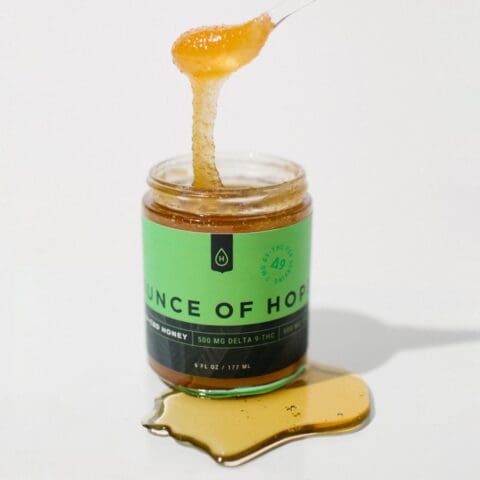
If you are searching for “Thc Delta 9,” “Delta-9 THC,” or “online THC delta 9,” treat your purchase like the start of a careful experiment. Your goal is not to win an intense session. Your goal is to find the version of delta-9 that helps you feel more like yourself afterward, calmer, steadier, and ready for the next day.
Start low. Wait long enough. Track how you respond. That approach turns delta-9 from a gamble into a measured wellness tool.